
Which PRP Program in Baltimore Is Right for You?
Last Updated: October 26, 2026
Quick Summary
PRP programs Baltimore offer community-based mental health services combining individualized counseling, group support, and skill-building to help individuals with serious mental illness develop independence and achieve recovery goals. Top providers include UPTOWN LIFESTYLES LLC, which serves Medicaid recipients at no cost, Brighter Stronger Foundation, August Rose Health Center with CARF accreditation, and several others listed in the provider comparison table.
- PRP services address housing stability, employment readiness, budgeting, meal planning, medication management, and community navigation.
- UPTOWN LIFESTYLES LLC provides zero-cost services for Medicaid recipients, eliminating financial barriers to access.
- Eligibility typically requires a documented psychiatric diagnosis and evidence that your condition affects daily functioning, work, or housing.
- The enrollment process involves three steps: referral or self-referral, intake screening, and individualized service plan development.
- Look for programs licensed by Maryland Department of Mental Health and Hygiene and ideally CARF-accredited for quality assurance.
Table of Contents
- What Psychiatric Rehabilitation Programs Offer in Baltimore
- PRP Provider Comparison Table
- Understanding PRP Eligibility in Maryland
- How to Get a PRP in Baltimore: Enrollment and Access
- PRP for Adults in Baltimore: Services and Support
- Children’s PRP in Baltimore: Programs for Adolescents
- Choosing Your PRP Provider: Selection Criteria
- Starting Your Psychiatric Rehabilitation Journey
- Frequently Asked Questions
What Psychiatric Rehabilitation Programs Offer in Baltimore
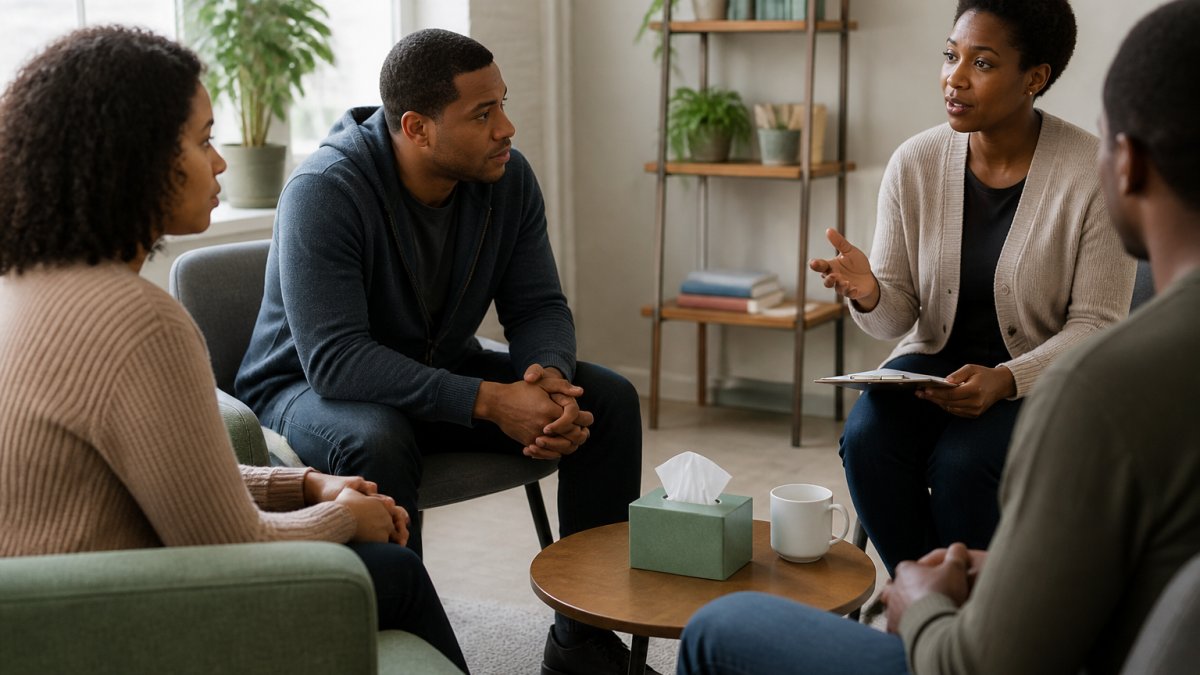
A psychiatric rehabilitation program (PRP) is a community-based mental health service designed to help individuals with serious mental illness develop practical life skills, improve social connections, and work toward independence and recovery goals. PRP programs integrate individualized counseling, group support, behavioral health coaching, and real-world skill-building into a comprehensive rehabilitation approach.
PRP services in Baltimore address the full spectrum of barriers people face after psychiatric hospitalization or during periods of persistent mental illness. These programs combine individual counseling with group activities, peer support, and practical assistance with daily living skills like budgeting, meal planning, medication management, and community navigation.
What sets rehabilitation programs apart from standard outpatient care is their focus on functional recovery. According to Maryland Department of Health guidance on psychiatric rehabilitation, PRP services emphasize skill development, community integration, and goal achievement rather than just reducing symptoms.
At UPTOWN LIFESTYLES LLC, our Baltimore-based PRP combines licensed mental health professionals, psychiatrists, psychologists, and social workers, with specialized support for housing stability, nutrition, parenting skills, and employment readiness. For Medicaid recipients, our services are provided at no cost, removing financial barriers to access.
PRP Provider Comparison Table
| Provider | Service Focus | Best For | Access |
|---|---|---|---|
| UPTOWN LIFESTYLES LLC | Zero-cost PRP with housing, nutrition, parenting classes | Medicaid recipients needing comprehensive support | Direct intake process available |
| Brighter Stronger Foundation | Licensed psychiatric rehabilitation | Community members seeking accredited services | Contact for eligibility |
| August Rose Health Center | CARF-accredited PRP services | Baltimore City residents | CARF-accredited program |
| University of Maryland Medical Center | Individual counseling and group activities | Adults ages 18-26 | Community college partnership |
| The Recovery Center of Maryland | Focus on independence and goal achievement | People with chronic mental illness | Contact for details |
| Maryland Wellness | PRP with therapy and medication management | Integrated mental health care | Multiple clinic locations |
| Victorious Mental Healthcare | Social, behavioral, and group support | Group-based rehabilitation | 410-488-5171 |
| B More PRP | Individualized journey-centered approach | People comparing PRP with case management | Baltimore-based program |
| New Day New Start | Real-life skills for adults and adolescents | Adults and adolescents with insurance | Coverage check available |
Understanding PRP Eligibility in Maryland
Eligibility for psychiatric rehabilitation programs in Maryland depends on several factors, including diagnosis, functional impairment, and insurance coverage. Most programs serve individuals with serious mental illness, conditions like schizophrenia, bipolar disorder, major depression with significant disability, or other psychiatric conditions that substantially limit daily functioning.
To qualify for PRP services, you typically need a documented psychiatric diagnosis and evidence that your condition affects your ability to work, manage daily tasks, or maintain stable housing and relationships. Many programs also require a referral from a mental health provider, though some accept self-referrals or referrals from case managers and family members.
For Medicaid recipients in Maryland, psychiatric rehabilitation is a covered benefit when medically necessary. Find Psychiatric Care in Baltimore With Medicaid provides specific guidance on Medicaid eligibility and coverage. However, not all Medicaid plans cover PRP equally, some require prior authorization, and coverage limits may apply.
Age, income, and residency requirements vary by program. Some programs, like the University of Maryland Medical Center’s offering, focus on specific age groups (18-26). Others serve children and adolescents separately from adults.
How to Get a PRP in Baltimore: Enrollment and Access
Getting started with a psychiatric rehabilitation program in Baltimore typically involves three steps: referral or self-referral, eligibility screening, and enrollment.
Step 1: Get a Referral or Self-Refer
Many programs accept referrals from psychiatrists, therapists, case managers, or primary care doctors. You can also self-refer directly by calling a program or completing an online intake form.
Step 2: Complete an Intake Screening
During intake, a program staff member will review your psychiatric history, current symptoms, housing situation, employment status, and specific goals. They’ll assess whether PRP is the right fit and explain what services are available.
Step 3: Enroll and Begin Services
Once approved, you’ll meet with a rehabilitation counselor to develop an individualized service plan. This plan outlines your rehabilitation goals, whether that’s returning to work, improving social skills, stabilizing housing, or managing symptoms more effectively, and the specific activities and support you’ll receive.
For Medicaid recipients, the enrollment process is straightforward because services are covered. If you’re uninsured or underinsured, ask about sliding-scale fees or community health center options, which often provide PRP services on a fee-based model.
PRP for Adults in Baltimore: Services and Support
Adult psychiatric rehabilitation programs in Baltimore typically serve people ages 18 and older with serious mental illness. Services focus on rebuilding independence, employment readiness, social connection, and stable living arrangements.
Core services for adults include individual counseling with a psychiatrist, psychologist, or licensed social worker; group therapy and peer support activities; skills training in areas like budgeting, meal planning, medication management, and problem-solving; and care coordination to connect you with housing, employment, and community resources. PRP Learning Center of Baltimore offers personalized educational support and skill-building opportunities for adults.
Many programs also offer specialized support. 7 Ways to Improve Mental Health With Psychiatric Rehabilitation outlines concrete examples of how psychiatric rehabilitation improves mental health outcomes for adults. UPTOWN LIFESTYLES LLC provides specialized positive parenting classes for adults raising children, recognizing that parenting stress often compounds mental health challenges. Our team also addresses essential needs like stable housing and nutrition support, barriers that directly undermine recovery.
Employment support is a key component of adult PRP. Programs help clients assess work capacity, develop job search skills, practice interviews, and connect with employers willing to hire people with mental health histories. Some programs offer supported employment, where a job coach works with you on the job site during your first weeks.
Social and behavioral support helps adults rebuild relationships, manage anger or anxiety in social settings, and participate in community activities. Group activities might include recreational outings, wellness classes, or peer support meetings where members share experiences and strategies for managing their conditions.
Children’s PRP in Baltimore: Programs for Adolescents
Psychiatric rehabilitation for children and adolescents in Baltimore addresses developmental needs while building skills and resilience. Programs serving youth typically work with ages 12-18, though some extend services to young adults through age 26.
Adolescent PRP focuses on school success, peer relationships, family functioning, and preparation for independence. Services include individual counseling tailored to developmental stages, group activities that build social skills and confidence, family therapy to improve home dynamics, and school coordination to address academic and behavioral challenges.
Many programs recognize that adolescents often resist traditional therapy. Group activities might include sports, arts, job skills training, or community service projects that build competence and belonging.
For parents, adolescent PRP programs provide education and support. Parents learn about their teen’s condition, develop effective communication strategies, and practice consistent behavioral management.
School coordination is another critical component. PRP staff work with teachers and counselors to ensure your teen receives appropriate academic support and accommodations, and to address behavioral issues before they escalate.
Choosing Your PRP Provider: Selection Criteria
When comparing psychiatric rehabilitation programs in Baltimore, use these criteria to find the best fit for your needs.
Accreditation and Licensing: Look for programs licensed by the Maryland Department of Mental Health and Hygiene and ideally accredited by CARF (Commission on Accreditation of Rehabilitation Facilities).
Staff Qualifications: Verify that the program employs licensed mental health professionals, psychiatrists, psychologists, licensed clinical social workers, or licensed professional counselors. These credentials ensure evidence-based care. Ask about the psychiatrist-to-client ratio.
Service Comprehensiveness: Does the program address your specific needs? If you’re a parent, check whether parenting support is offered. Psychiatric Rehabilitation vs Outpatient Therapy helps you understand how comprehensive PRP differs from therapy alone.
Insurance and Cost: Confirm that the program accepts your insurance or Medicaid plan. Ask about prior authorization requirements and any out-of-pocket costs.
Location and Hours: Choose a program with convenient location and hours that fit your schedule.
Waitlist and Access: Ask about current waitlists. Some programs have short waiting periods; others may have months-long delays. If you’re transitioning from inpatient care, ask whether the program can accommodate urgent referrals.
Outcomes and Progress Tracking: Inquire about how progress is measured. Do they track employment outcomes, housing stability, symptom improvement, or social functioning?
Starting Your Psychiatric Rehabilitation Journey
Beginning psychiatric rehabilitation is a significant step toward recovery and independence. Many people feel anxious about opening up to new providers or uncertain whether a program will understand their specific challenges.
When you first contact a PRP programs Baltimore provider, ask specific questions: What is your experience working with people like me? How quickly can I start? What happens if I have a crisis?

Recovery from serious mental illness isn’t linear. You may have weeks of progress followed by setbacks.
UPTOWN LIFESTYLES LLC’s approach recognizes that recovery happens in community, with professional support and peer connection. Our team of licensed mental health professionals works alongside you to develop practical skills, address housing and nutrition stability, and rebuild confidence.
The choice of which PRP program to pursue is deeply personal. Consider your specific needs, the program’s staff and services, accessibility, and whether you feel heard and respected during the intake process.
Starting psychiatric rehabilitation takes courage. UPTOWN LIFESTYLES LLC provides comprehensive PRP services for Medicaid recipients at no cost, with licensed psychiatrists, psychologists, and social workers dedicated to helping you build resilience and lead a fulfilling life. UPTOWN LIFESTYLES LLC Intake is your first step toward meaningful support and lasting change.
Frequently Asked Questions
What is a psychiatric rehabilitation program and who needs one?
A psychiatric rehabilitation program (PRP) is a community-based service for individuals managing serious mental health conditions. PRPs combine individual counseling, group activities, life skills training, and social support to help people build independence, manage daily tasks, maintain housing, and work toward personal goals. People recently discharged from psychiatric hospitalization, those with chronic mental illness, and individuals struggling with employment or independent living often benefit from PRP services.
Who is eligible for PRP eligibility Maryland programs?
Eligibility for psychiatric rehabilitation programs in Maryland varies by provider but generally includes individuals with serious mental illness, persistent mental health conditions, or behavioral health needs. Many programs, including UPTOWN LIFESTYLES LLC, serve Medicaid recipients at no cost. Some programs serve specific age groups (adolescents, adults 18-26, or older adults). Contact your local provider or the Maryland Department of Health at 410-767-6500 to confirm eligibility based on your diagnosis, insurance, and service area.
Does Medicaid cover psychiatric rehabilitation services?
Yes, Medicaid covers psychiatric rehabilitation program services in Maryland for eligible individuals. Many Baltimore-area PRPs, including UPTOWN LIFESTYLES LLC, offer zero-cost services to Medicaid recipients. However, coverage details and enrollment processes vary by provider. If you have Medicaid and are unsure whether you qualify, contact a PRP provider directly or call the Maryland Department of Health to verify your coverage and begin the referral process.
How do I enroll in how to get a PRP in Baltimore?
To get a PRP in Baltimore, contact a provider directly by phone or website to discuss your needs and confirm eligibility. Most providers accept referrals from psychiatrists, therapists, case managers, or hospital discharge planners. If you are transitioning from inpatient care, your hospital social worker can often facilitate a referral. For Medicaid recipients, enrollment is typically free. Providers like UPTOWN LIFESTYLES LLC can walk you through the intake process and answer questions about services, scheduling, and what to expect at your first appointment.
What support does PRP for adults Baltimore include?
PRP for adults in Baltimore typically includes individual counseling, group support activities, life skills and independent-living training, social and behavioral support, medication management coordination, employment readiness assistance, and help with housing and nutrition needs. Many programs, including UPTOWN LIFESTYLES LLC, offer specialized services such as positive parenting classes and personalized care planning. Services are designed to help adults develop problem-solving skills, improve relationships, manage mental health symptoms, and work toward independence and meaningful employment.
